


Exploring the Mystique and Beauty of Red Beryl
Red beryl is one of the rarest and most captivating gemstones in the world. Its striking color and scarcity make it a prized possession for collectors and gem enthusiasts alike. This blog post explores what makes red beryl so unique, where it comes from, and how it is valued in the world of gemstones.
What Is Red Beryl?
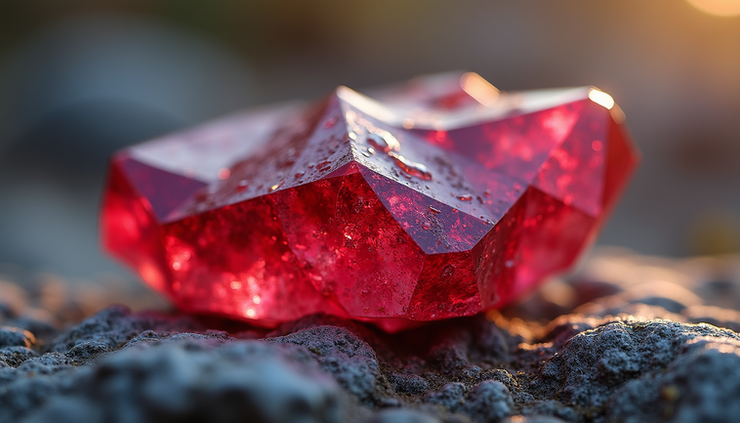
Red beryl, sometimes called bixbite or red emerald, is a rare variety of the mineral beryl. Unlike the more common green emerald or blue aquamarine, red beryl owes its intense red color to traces of manganese. This gemstone is known for its vibrant raspberry to deep ruby red shades, which are highly sought after.
Its chemical composition is similar to other beryls, but the presence of manganese ions replaces some aluminum atoms, giving it the distinctive red color. Red beryl forms under very specific geological conditions, which contributes to its rarity.
Where Does Red Beryl Come From?
Red beryl is found in only a few locations worldwide, with the most famous source being the Wah Wah Mountains in Utah, USA. This area produces the highest quality red beryl crystals, often used in fine jewelry. Other minor deposits exist in New Mexico and Mexico, but these are far less significant.
The formation of red beryl requires volcanic rhyolite rock and a unique combination of heat and pressure. This narrow set of conditions means red beryl is much rarer than diamonds or rubies. In fact, red beryl is estimated to be 1,000 times rarer than diamonds.
How to Identify Red Beryl
Identifying red beryl can be tricky because it shares some visual similarities with other red gemstones like ruby or spinel. Here are some key features to look for:
Color: Red beryl has a raspberry to deep red tone, often with a slight pinkish hue.
Clarity: It usually has fewer inclusions than rubies, making it appear clearer.
Hardness: Red beryl rates 7.5 to 8 on the Mohs scale, which is slightly softer than ruby but harder than many other red stones.
Crystal structure: It forms hexagonal crystals, typical of the beryl family.
Professional gemologists use advanced tools like spectroscopy and refractive index measurements to confirm red beryl’s identity.
The Value of Red Beryl
Because of its rarity and beauty, red beryl commands high prices in the gemstone market. Fine-quality red beryl stones can sell for thousands of dollars per carat, sometimes exceeding the price of diamonds or rubies of similar size.
Collectors prize red beryl for its scarcity and unique color. Jewelry designers also appreciate its vibrant red tone, which offers an alternative to traditional red gemstones. However, due to limited supply, red beryl jewelry is often custom-made and can be quite expensive.
Caring for Red Beryl Jewelry
Red beryl is relatively durable but requires some care to maintain its beauty:
Avoid harsh chemicals and extreme temperature changes.
Clean gently with warm soapy water and a soft brush.
Store separately from harder stones to prevent scratches.
Because of its rarity, it’s wise to have red beryl jewelry insured and appraised by a professional.
Red Beryl in Jewelry and Collecting
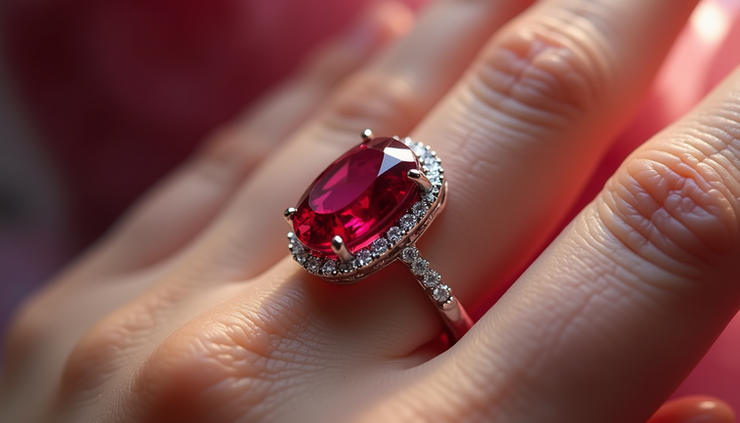
Red beryl’s rarity makes it a prized gem for collectors. It is often cut into faceted stones for rings, pendants, and earrings. The gem’s bright red color stands out in both modern and vintage jewelry designs.
Collectors value red beryl not only for its beauty but also for its geological significance. Owning a piece of red beryl means possessing a gemstone formed under rare natural conditions. This adds a story and mystique that many other gems lack.
Because of limited supply, red beryl jewelry is often sold through specialty dealers or auctions.

Final Thoughts on Red Beryl
Red beryl is a gemstone that combines rarity, beauty, and geological intrigue. Its deep red color and limited sources make it a standout choice for collectors and jewelry lovers. While it may not be as well-known as ruby or emerald, red beryl offers a unique alternative for those seeking something truly special.


Comments